A DEF production line can be stopped by a material that looks acceptable on paper but introduces insoluble matter, excessive biuret or handling losses into the process. For manufacturers and bulk buyers, urea for diesel exhaust fluid is not simply a nitrogen commodity. It is a technical input that must meet a tightly controlled purity standard, arrive in usable condition and support consistent production of Diesel Exhaust Fluid.
DEF is used in selective catalytic reduction systems fitted to modern diesel vehicles and equipment. Its function depends on a precise aqueous urea solution, typically made using high-purity urea and demineralised water. That makes grade selection, storage and supplier documentation central procurement considerations rather than secondary details.
What urea for diesel exhaust fluid must deliver
Diesel Exhaust Fluid is generally formulated as a 32.5% urea solution in purified water. The urea used must be suitable for the applicable DEF specification, commonly aligned with ISO 22241 requirements. Agricultural urea may contain 46% nitrogen and remain an effective fertiliser input, but that alone does not make it appropriate for DEF manufacture.
The difference is impurity control. DEF-grade or technical-grade urea is manufactured and handled to limit compounds and trace elements that could contaminate the finished fluid or affect the vehicle SCR system. Buyers should require clear product specifications for biuret, aldehydes, insoluble matter, moisture and relevant metal content. The finished DEF must also be produced with controlled water quality and hygienic process conditions, so compliant urea is one part of a wider quality system.
Low biuret is particularly relevant. Biuret forms when urea is exposed to excessive heat during production or storage. In fertiliser applications, the acceptable level may differ according to crop and use. In DEF production, controlled low-biuret material helps the manufacturer maintain the required solution quality and avoidable variation between batches.
The practical point is straightforward: procure material sold and documented for industrial processing or Diesel Exhaust Fluid production, not standard fertiliser-grade urea selected solely on nitrogen analysis or lowest headline price.
Grade selection starts with the intended process
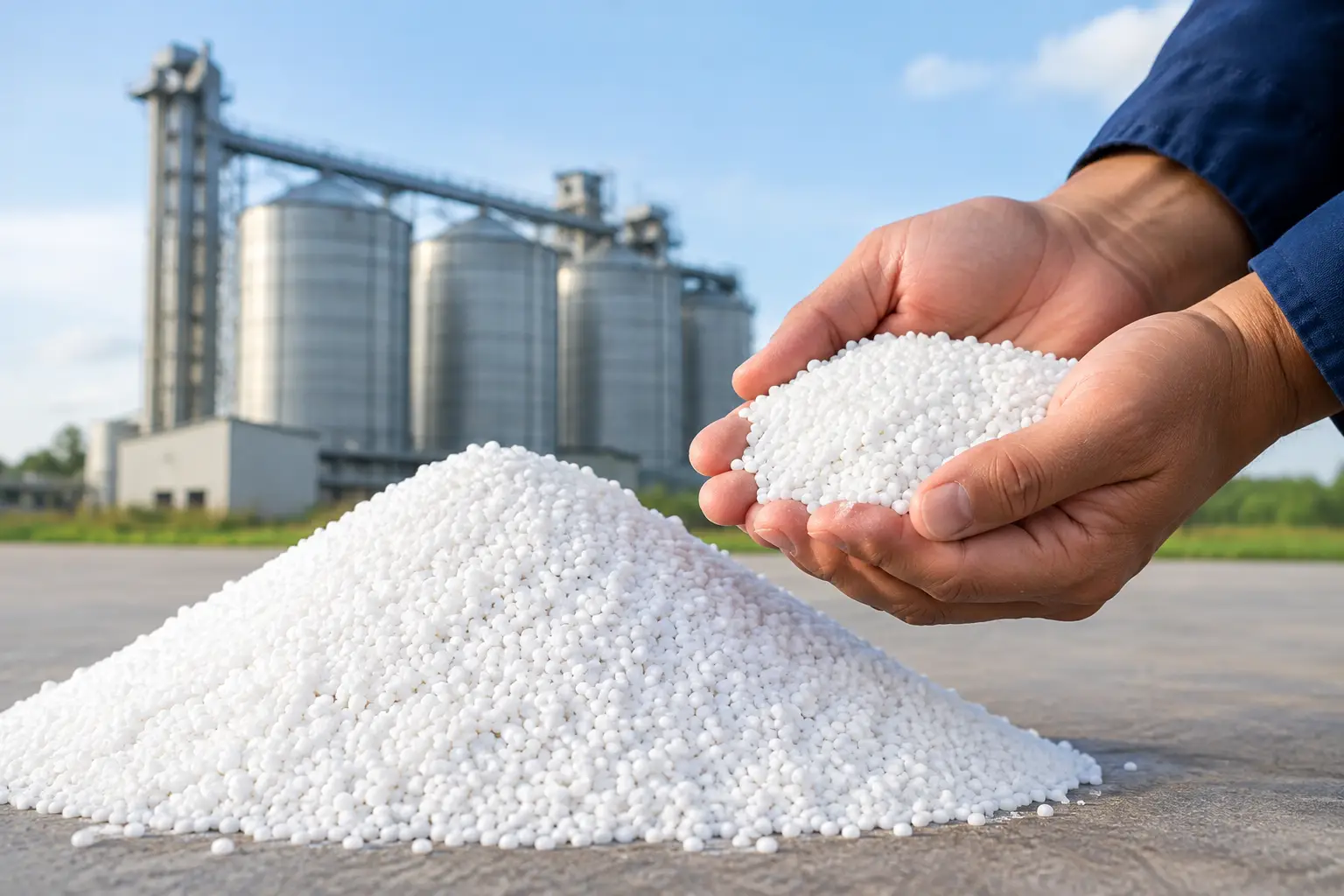
DEF manufacturers may use prilled or granular technical urea, depending on their dissolution equipment, batch size, handling system and preferred supply format. Both physical forms can be suitable where the product specification is correct. The decision is usually operational rather than cosmetic.
Prilled urea is often selected where rapid dissolution is a priority. Its smaller, more uniform particles present a greater surface area, which can support efficient solution preparation under controlled mixing conditions. It can be a practical choice for liquid-fertiliser formulations as well as DEF processing, provided it is free-flowing and protected from moisture.
Granular urea has larger, harder particles and can suit operations set up for bulk handling. For an industrial buyer using conveyors, hoppers or bulk storage, granules may offer favourable handling characteristics. Dissolution time, however, should be checked against the actual process temperature, agitation capacity and filtration arrangement rather than assumed from particle size alone.
A procurement specification should therefore state the intended application, required standard, acceptable particle-size range and any limits that are critical to the plant. Asking only for “urea for DEF” leaves too much open to interpretation when several grades and physical forms are traded internationally.
Specification and documentation before price comparison
Comparable quotations require comparable specifications. A low-priced offer can become expensive if the product requires additional screening, creates slow dissolution, arrives caked after transit or cannot be supported by the documentation needed for finished-fluid quality assurance.
Before placing an order, buyers should establish the agreed technical data, including urea assay, biuret limit, moisture content, particle-size profile and insoluble matter. For DEF-grade material, the impurity profile and conformity documentation should be reviewed against the buyer’s own production and customer requirements. Certificate of analysis arrangements should be agreed for each lot or shipment, not treated as a one-off sample exercise.
Traceability also matters. A clear batch reference, production date, origin, packing details and inspection records make it easier to investigate a quality issue should one arise. This is particularly valuable for importers supplying multiple DEF blending sites or distributing into customers with formal quality-management procedures.
It is sensible to qualify a new source with a representative sample and controlled production trial where volumes justify it. A laboratory result confirms the sampled material. A plant trial confirms how that material behaves in the buyer’s actual dissolution, filtration and filling process. Neither replaces the other.
Packaging and logistics for technical urea
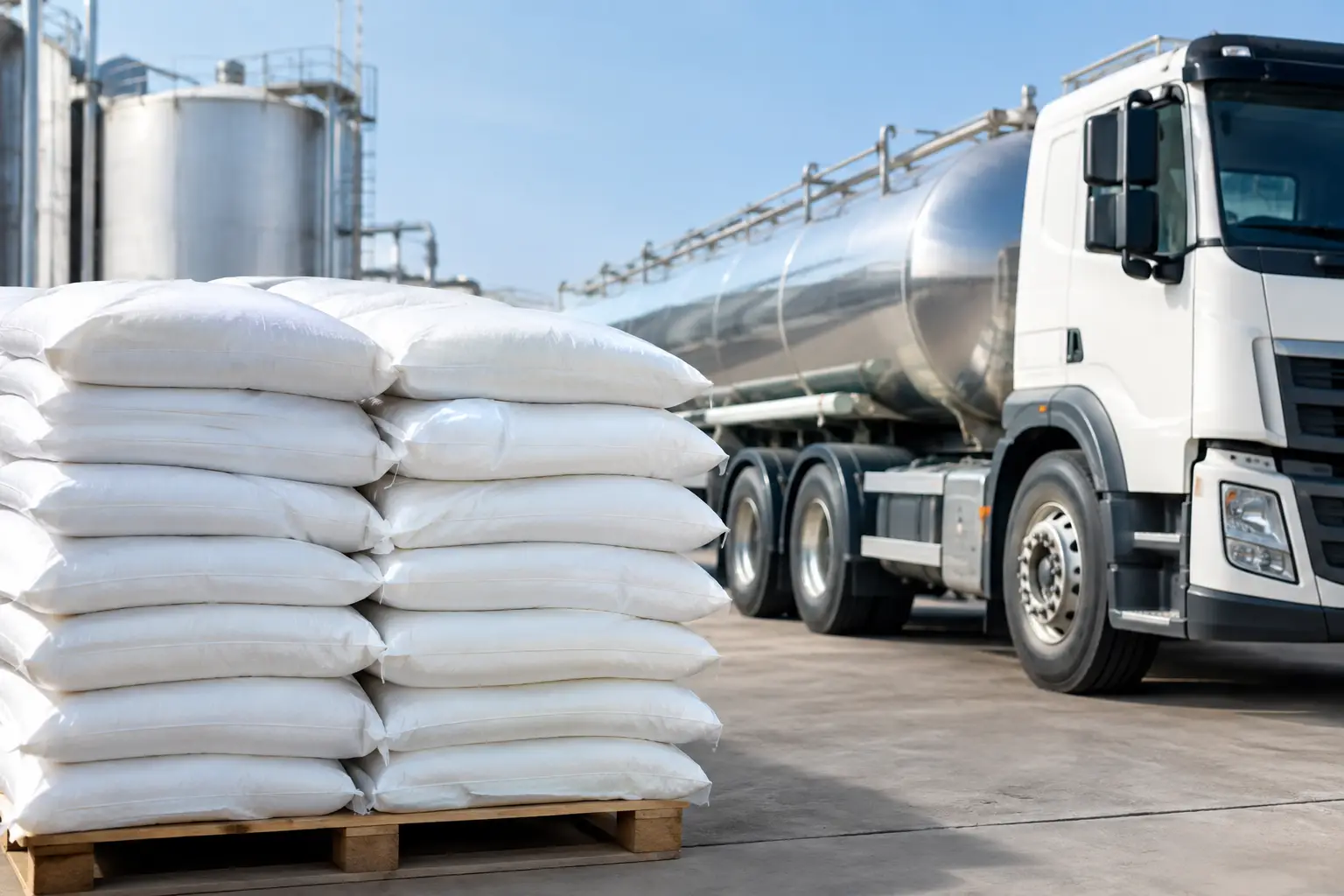
The best packing format depends on consumption rate, available equipment and destination conditions. Technical urea can be supplied in bulk for high-throughput facilities, 1,000 kg jumbo bags for controlled site handling, or smaller bags where storage space and manual movement are limiting factors. For commercial supply, 50 kg bags can be useful for distributors and smaller processors, while selected 25 kg bags may suit specialist requirements.
Bulk supply can reduce packaging cost per tonne and simplify feeding into a dedicated production system. It requires suitable covered storage, clean transfer equipment and disciplined stock control. Jumbo bags offer a balance between volume efficiency and lot separation, but they need safe lifting equipment and protection from puncture and damp conditions.
Urea is hygroscopic. It absorbs moisture from the atmosphere, which can lead to caking and impaired flow. That risk increases where bags are stored on wet floors, exposed to weather during unloading or held for long periods in humid conditions. Material should be kept dry, under cover and away from sources of contamination. Forklift handling must prevent torn liners and product loss.
For international deliveries, the quotation should identify the agreed Incoterm, loading port, destination port or delivery warehouse, shipment window and any requirements for containerisation or break-bulk cargo. A technically compliant product still has limited value if it arrives after the planned production run or is delivered in a format the receiving site cannot discharge efficiently.
Managing landed cost without compromising compliance
The purchase price per tonne is only one part of the commercial calculation. Buyers should assess landed cost across product value, packing, freight, insurance, port charges, customs treatment, inland haulage and expected handling loss. The correct comparison also accounts for quality risk.
A marginally cheaper material may carry a higher total cost if it demands extra filtration, slows batch turnaround or increases the chance of rejected finished DEF. Conversely, an over-specified grade may add cost without delivering a measurable benefit for the customer’s process. The right grade is the one that meets the relevant standard reliably, works with the site’s equipment and can be supplied on commercially workable terms.
Supply continuity should be considered alongside spot pricing. DEF demand can fluctuate with fleet activity, seasonal transport patterns and distribution contracts. Buyers with regular requirements are better placed when they forecast tonnage, agree workable call-off arrangements and communicate destination constraints early. This gives the supplier time to coordinate production allocation, packing and freight rather than relying on last-minute availability.
Questions to settle before requesting a quote
A useful quote request identifies the destination, estimated volume in metric tonnes, preferred packaging and required delivery period. For DEF production, it should also confirm that the enquiry is for low-biuret technical or DEF-grade urea, rather than agricultural material.
The buyer should be ready to clarify whether the plant uses prilled or granular material, whether bags or bulk discharge are required, and what documents must accompany the shipment. If the material will be imported, customs and port-handling responsibilities should be clear from the start. These details allow suppliers to price the real requirement instead of providing a nominal figure that changes once logistics are defined.
AgroUrea Co. supplies low-biuret technical urea for industrial processing and Diesel Exhaust Fluid production, with bulk and bagged options aligned to operational scale. For high-volume procurement, grade clarity and shipment planning should be agreed before supply is committed.
A dependable DEF programme begins with a precise purchase specification: the right urea grade, verified documentation, packaging that protects product condition and a delivery plan matched to the production schedule. Get those decisions right at enquiry stage, and the material becomes a controlled input rather than a recurring production risk.